
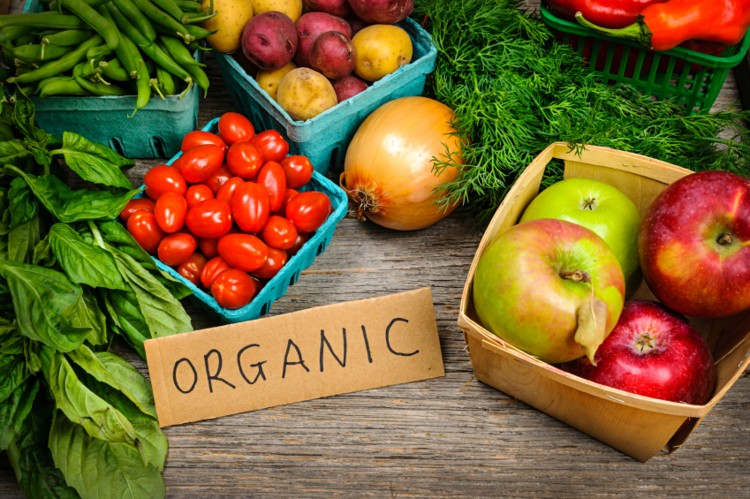
In recent years, the shift towards a healthier lifestyle has become increasingly prominent, with more individuals seeking natural and holistic approaches to improve their well-being. Among the various methods to enhance health, the consumption of organic foods has garnered significant attention. This article explores how integrating organic foods into your diet can positively impact your overall wellness and contribute to a healthier lifestyle.
The Rise of Organic Foods
Organic foods have transitioned from niche products to mainstream choices, reflecting a growing awareness of their potential benefits. Unlike conventionally grown foods, organic produce is cultivated without synthetic pesticides, fertilizers, or genetically modified organisms (GMOs). This approach emphasizes natural farming practices that aim to preserve environmental health and enhance the quality of the food produced.
Understanding Organic Foods
What Are Organic Foods?
Organic foods are grown and processed following specific guidelines set by regulatory bodies. These guidelines restrict the use of synthetic chemicals, ensuring that the produce remains as natural as possible. Organic farming practices focus on maintaining soil fertility, using organic compost, and employing natural pest control methods. This results in foods that are free from harmful residues and contribute to a more sustainable agricultural system.
Nutritional Benefits of Organic Foods
One of the primary reasons individuals choose organic foods is the potential nutritional advantage they offer. Studies have suggested that organic produce may have higher levels of certain nutrients compared to conventionally grown counterparts. For instance, organic fruits and vegetables often contain higher concentrations of antioxidants, vitamins, and minerals. These nutrients play a crucial role in supporting immune function, reducing oxidative stress, and promoting overall health.
The Health Impact of Organic Foods
Reduced Exposure to Harmful Chemicals
By opting for organic foods, individuals can minimize their exposure to harmful chemicals commonly found in conventional agriculture. Synthetic pesticides and herbicides used in conventional farming have been linked to various health concerns, including hormone disruption and potential carcinogenic effects. Organic foods, being free from these chemicals, provide a safer alternative that aligns with a health-conscious lifestyle.
Enhanced Gut Health
The health of the gut microbiome is increasingly recognized as a critical component of overall well-being. Organic foods, with their reduced chemical load and higher nutritional content, may contribute to better gut health. The absence of synthetic additives and preservatives in organic foods supports a balanced gut microbiome, which plays a vital role in digestion, immune function, and mental health.
Environmental Benefits
Choosing organic foods extends beyond personal health benefits to encompass broader environmental considerations. Organic farming practices prioritize soil health, reduce water pollution, and promote biodiversity. By supporting organic agriculture, individuals contribute to the preservation of ecosystems and the reduction of environmental toxins, fostering a healthier planet for future generations.
Incorporating Organic Foods into Your Diet
Making the Switch
Transitioning to an organic diet does not have to be overwhelming. Start by incorporating organic fruits and vegetables into your daily meals. Prioritize organic options for produce that is known to have higher pesticide residues when conventionally grown, such as berries, leafy greens, and apples. Gradually replace other conventional products with organic alternatives, such as dairy, meat, and grains.
Choosing Quality Organic Products
When selecting organic foods, consider the credibility of certification labels and the source of the products. Look for organic certification logos from reputable organizations to ensure that the products meet established organic standards. Additionally, support local organic farmers and producers to contribute to the growth of sustainable agriculture in your community.
Conclusion
The impact of organic foods on wellness is multifaceted, encompassing nutritional benefits, reduced chemical exposure, and environmental advantages. By integrating organic foods into your diet, you can enhance your overall health and contribute to a more sustainable future. As you make the transition to organic options, remember that every choice you make supports not only your well-being but also the health of the planet. Embrace the natural transformation and experience the positive impact of organic foods on your wellness.


